High-Fidelity Audio
Spatial audio, lossless wireless codecs, and the evolution of active noise cancellation. Choosing the right soundstage for your workflow.
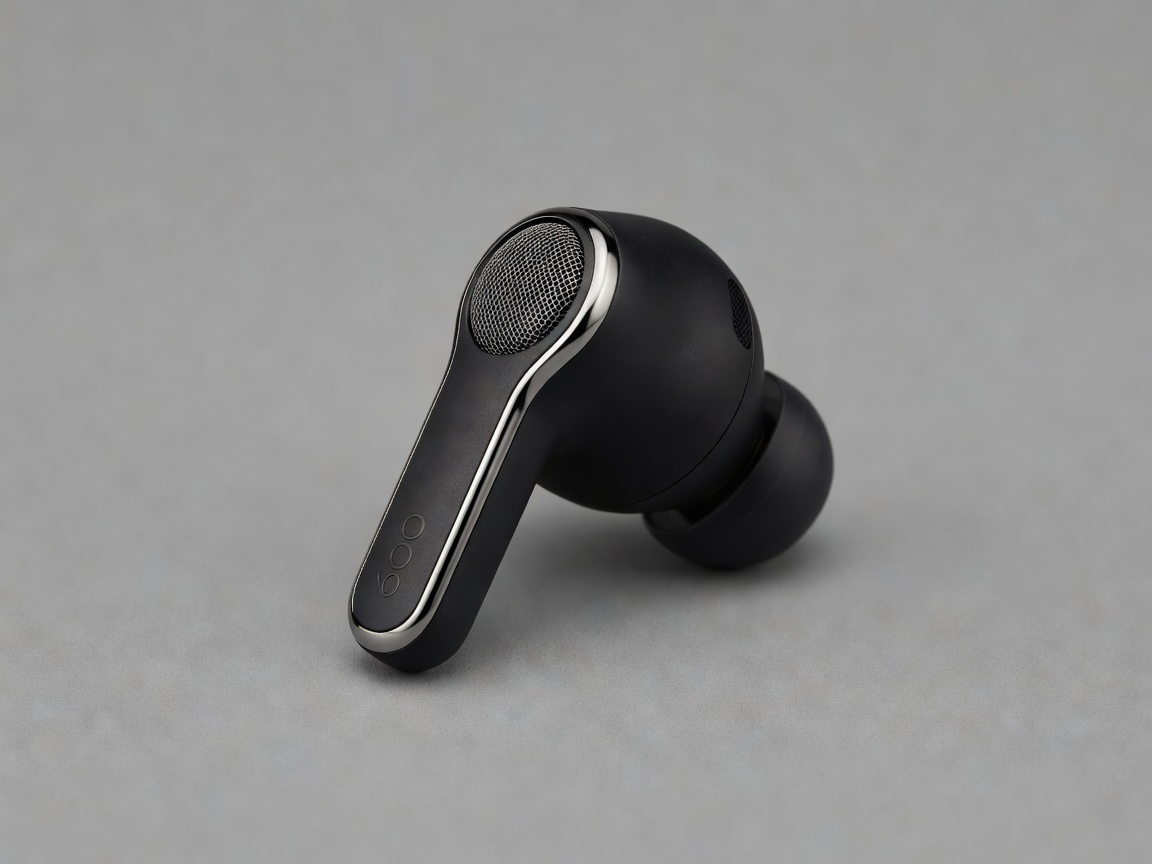
The convenience of wireless audio has definitively conquered the consumer market. The analog headphone jack is a relic of the past for mainstream devices. Consequently, audio manufacturers are pushing the boundaries of digital signal processing to replicate—and in some ways surpass—the traditional wired listening experience.
The Evolution of Active Noise Cancellation (ANC)
Early iterations of ANC relied on a simple principle: microphones record ambient noise, and the headphones generate an inverted sound wave to cancel it out. This worked adequately for constant, low-frequency drones like jet engines or air conditioning units, but failed against sudden, high-frequency spikes like human speech or clinking coffee cups.
Modern ANC employs complex computational audio. Utilizing multi-microphone arrays and dedicated audio processors, high-end earbuds sample ambient noise thousands of times per second. By classifying the acoustic environment using machine learning algorithms, these devices can selectively block distracting noise while dynamically allowing warning sirens or a colleague's voice to filter through transparently.
Spatial Audio and Head Tracking
Standard stereo audio creates a flat, two-dimensional soundstage between your ears. Spatial audio formats, object-based sound design, map distinct audio elements into a three-dimensional virtual sphere around the listener. When combined with gyroscopic head tracking built into the headphones, the audio source remains anchored in physical space. If you turn your head to the left, the vocals shift to your right ear, mimicking the experience of sitting in a live concert hall or a calibrated home theater.
- Immersion: Ideal for movie watching and immersive gaming where directional cues are vital.
- Fatigue Reduction: By pushing the soundstage "outside" the head, spatial audio reduces the claustrophobic listening fatigue associated with long sessions of traditional stereo audio.
Lossless Wireless Codecs
The primary critique of Bluetooth audio has been its reliance on lossy compression to transmit data. Standard codecs discard subtle acoustic details to maintain connection stability. However, the bandwidth limitations of Bluetooth are being circumvented by new high-resolution codecs like LDAC and advanced implementations of aptX Adaptive. These codecs dynamically adjust bitrates, allowing for near-CD quality transmission when interference is low. The caveat remains hardware compatibility: both the transmitting device (your phone) and the receiving device (your headphones) must support the specific codec.
Form Factor Considerations
When selecting audio peripherals, the form factor dictates utility. Over-ear headphones provide massive battery life, passive noise isolation via dense earcups, and large drivers for deep bass extension. However, they are bulky and retain heat. True wireless earbuds offer zero-friction portability and are generally the better choice for fitness or commuting, but they feature non-replaceable batteries that inevitably degrade over a few years.
A burgeoning third category is "open-ear" audio. Utilizing bone conduction or directed air conduction, these devices leave the ear canal completely unblocked. They are engineered for runners, cyclists, and office workers who must maintain total situational awareness while consuming podcasts or taking calls, trading pure audio fidelity for environmental safety.